
By SmartDebtPros | October 2, 2025
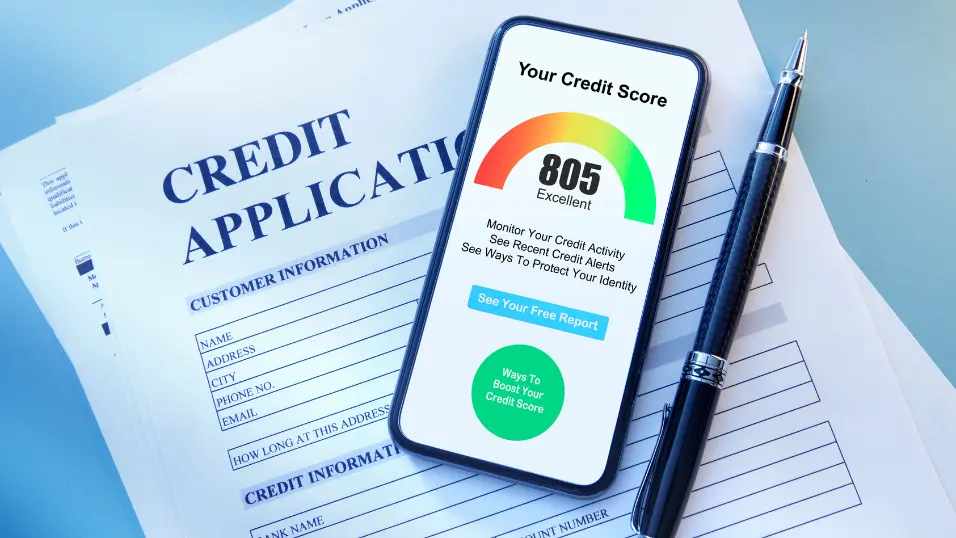
Let's be honest. When you think about debt relief, one question probably keeps you up at night: “Will it hurt my credit?”
It's a scary question. The credit score has become this mythical number that determines everything from whether you can buy a car to whether you can rent an apartment. We've been told for years to protect it at all costs.
And because of that, a lot of people are trapped in a vicious cycle. They're drowning in debt, their credit score is already bleeding out from late payments, but they're too scared to seek help because they're worried about that sacred number.
Well, let's pull back the curtain on this whole credit score myth. The short answer to your question is: yes, in many cases, debt relief will hurt your credit score.
But that's not the whole story. The real question you should be asking is: “Am I a prisoner of my credit score, or am I in control of my financial future?”
This article isn't a pep talk. It's an unvarnished look at the truth, designed to give you the power to make an informed decision. We're going to walk you through the surprising facts about your credit, how different debt relief options affect it, and, most importantly; how to rebuild it faster than you think. Let's get to it.
This might be a tough pill to swallow, but you need to hear it. If you're at a point where you're even considering debt relief, your credit score is probably already in trouble.
Think about it. The two biggest factors in your credit score are your payment history and your credit utilization (how much debt you have).
So, while you're worrying about whether debt relief will “hurt” your credit, your current situation is likely already doing the damage. The real question is: is it better to stop the bleeding with a powerful solution or to continue to bleed slowly with no end in sight?
This is the best-case scenario for your credit score. When you get a new loan and use it to pay off your old, high-interest credit cards, two things happen:
The Result: If you manage the new loan responsibly, your credit score can actually go up.
A DMP is a bit of a mixed bag, but mostly a good one. You pay off 100% of your debt, but your creditors agree to lower your interest rates and fees.
Your accounts will be marked as "enrolled in a debt management program." This can have a slight negative impact, but it's far less severe than a missed payment.
Because you're paying off your debt completely, this looks very good to future creditors.
The Result: A small, short-term negative blip, but a huge long-term positive impact.
This one is where the pain is. When you enter a debt settlement program, you stop making payments to your creditors while your debt relief company negotiates with them. Those missed payments will hurt your credit score.
The Result: A significant, immediate drop in your credit score. However, this option is typically for people whose credit scores are already in the "fair" to "poor" range, so the damage is often already done.
This is the most severe option. Bankruptcy is a legal process that can wipe out most of your unsecured debt, but it comes at a high price for your credit.
A bankruptcy filing will remain on your credit report for 7 to 10 years, depending on the type.
The Result: Your credit score will plummet, and you will have difficulty getting new credit for years.
Your credit score is not a destination. It's a tool. And it's time to start using it wisely. Get a free, personalized debt savings estimate now.
 From Service to Struggle: An Unvarnished Guide to Debt Relief for Veterans
 Debt Relief or Debt Consolidation: The Ultimate Showdown to Reclaim Your Financial Future
 What Debt-to-Income Ratio Do I Need for a Mortgage? The Real Answer Lenders Don't Want You to Know
 The Invisible Burden: A Paycheck-to-Paycheck Guide to Knowing When to Seek Debt Relief
